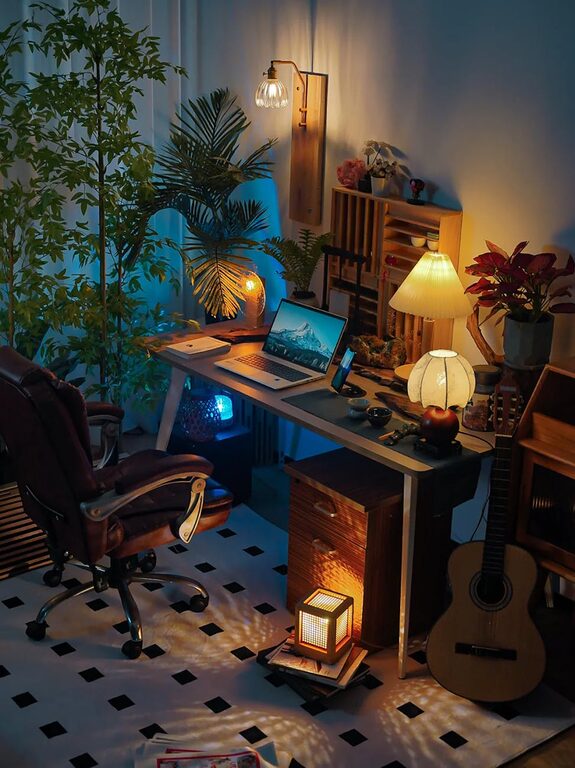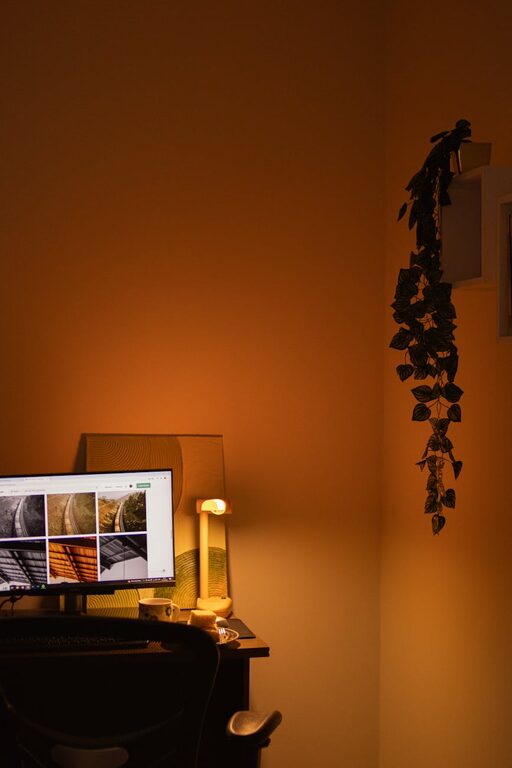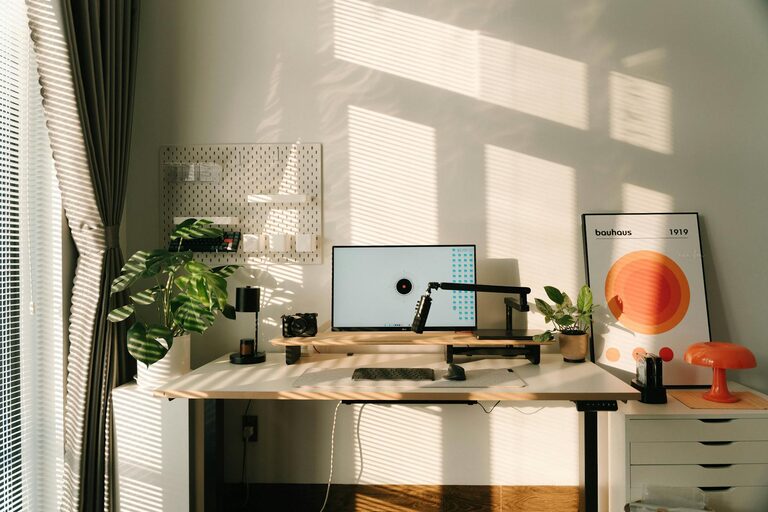
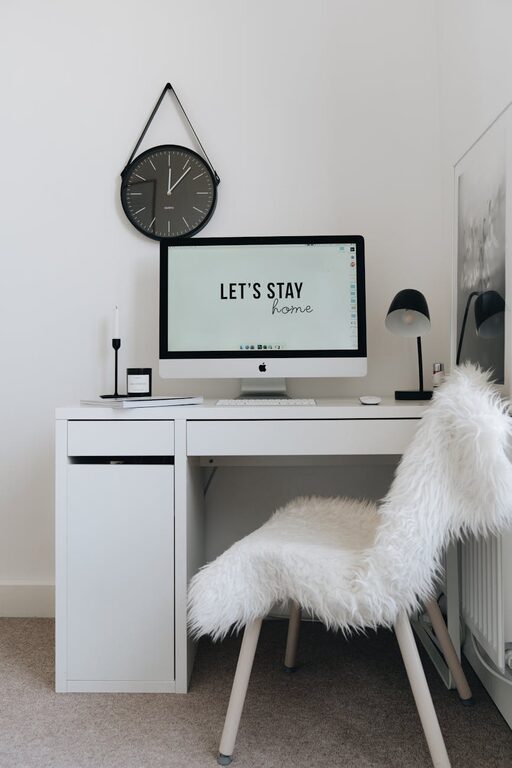
Creating a home workspace that feels relaxing and inviting can have a big impact on how productive and comfortable you are throughout the day. Whether you work remotely full-time or just need a spot to handle occasional tasks, setting up a space that balances function with calm can help you stay focused and reduce stress. In this post, we’ll walk you through some easy and effective tips to design your own relaxing home workspace.
Why a Relaxing Workspace Matters
Your workspace is where you spend a significant part of your day, so it’s important that it supports both your productivity and your comfort. A cluttered, noisy, or uninspiring environment can distract you and drain your energy. On the other hand, a well-arranged, peaceful area helps you concentrate and feel more positive about your work.
Choose the Right Location
Start by selecting a spot in your home that naturally feels calm and suits your work needs.
– Low-traffic areas: Pick a corner or room away from busy household activity to reduce interruptions.
– Natural light: Position your desk near a window if possible—it boosts mood and reduces eye strain.
– Quiet space: Avoid noisy rooms or invest in noise-canceling options to minimize background sounds.
Invest in Comfortable Furniture
Comfort is key for long work hours. Invest in furniture that supports your posture and keeps your body at ease.
– Ergonomic chair: Choose an adjustable chair with lumbar support to prevent back pain.
– Appropriate desk height: Your desk should allow your forearms to rest parallel to the floor when typing.
– Footrest: For added comfort, a footrest can support proper leg positioning.
Organize to Reduce Clutter
A tidy workspace helps clear your mind and reduces stress. Use these organizing strategies:
– Storage solutions: Utilize drawers, shelves, and baskets to keep supplies out of sight but accessible.
– Cable management: Use clips or sleeves to keep cords neat and prevent tangles.
– Minimal décor: Limit decorative items to a few meaningful pieces that bring joy without cluttering the space.
Choose Calming Colors and Lighting
Colors and lighting can influence your mood and concentration.
– Soft, neutral tones: Colors like light blues, greens, or beiges create a peaceful atmosphere.
– Adjustable lighting: Use a combination of natural light, overhead lights, and desk lamps to allow brightness control.
– Avoid harsh fluorescents: Harsh lighting can cause headaches and fatigue; opt for softer bulbs.
Incorporate Elements of Nature
Bringing nature indoors has proven benefits for relaxation and focus.
– Houseplants: Small plants like succulents or peace lilies improve air quality and add visual calm.
– Natural materials: Wood, stone, or woven baskets add warmth and texture.
– Views of nature: If possible, position your desk to face a garden, tree, or sky.
Personalize Thoughtfully
Make your workspace feel inviting by adding personal touches, but avoid overwhelming the area.
– Inspirational items: Photos, quotes, or artwork that motivate you without causing distraction.
– Comfort items: A cozy throw, cushion, or aromatherapy diffuser can enhance comfort.
– Keep it simple: Balance personalization with clean space to maintain focus.
Establish a Routine and Space Boundaries
Your workspace should signal work time while helping you separate professional and personal life.
– Set work hours: Define specific times for starting and ending your workday.
– Designate workspace boundaries: Avoid using your workspace for non-work activities to keep mental separation.
– Regular breaks: Incorporate short breaks to move around and rest your eyes, boosting productivity.
Keep Technology Organized and Efficient
Technology supports productivity but can also lead to distractions or discomfort.
– Quality equipment: Use reliable computers, keyboards, and mice to work efficiently.
– Reduce screen glare: Position monitors to minimize reflections and adjust brightness accordingly.
– Manage notifications: Turn off unnecessary alerts to keep focus.
Maintain Your Workspace Habits
Once you’ve created your relaxing workspace, keep it that way by adopting good habits.
– Daily tidying: Spend a few minutes cleaning your desk at the end of each day.
– Regular updates: Refresh your space seasonally by decluttering and rearranging as needed.
– Check comfort: Periodically assess your furniture and lighting to adjust for maximum comfort.
—
By thoughtfully designing your home workspace with relaxation and productivity in mind, you can create an environment that supports your work and well-being. Small changes like choosing the right chair, adding plants, or organizing your supplies can make a big difference. Start with one or two tips and build your ideal workspace gradually—it’s worth the effort to create a space that helps you thrive.