
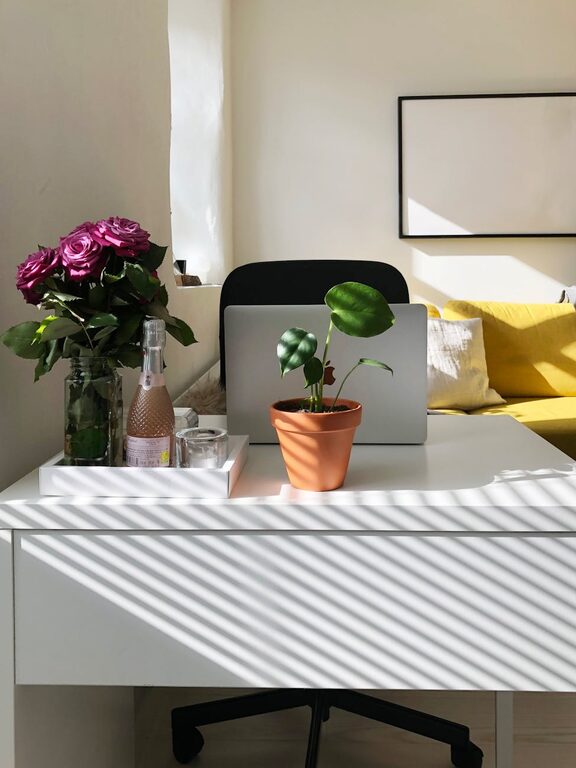
Creating a home workspace that promotes both focus and comfort can significantly improve your productivity and overall work experience. Whether you’re working remotely full-time or occasionally, setting up an environment designed to support your tasks helps minimize distractions and keeps you motivated throughout the day. This guide offers practical tips on how to design a productive home workspace tailored to your needs.
Choose the Right Location
Consider Lighting and Noise Levels
Find a spot in your home that receives plenty of natural light, ideally near a window. Good lighting reduces eye strain and helps regulate your body’s internal clock, keeping you alert. Additionally, select an area with minimal noise or distractions. If your home tends to be lively, consider noise-cancelling headphones or adding soft background music to maintain concentration.
Separate Work from Relaxation
Try to keep your workspace distinct from places associated with rest, like your bedroom or couch. This physical separation helps your brain associate the workspace with productivity, improving focus during work hours and helping you switch off after the day ends.
Invest in Comfortable and Functional Furniture
Choose an Ergonomic Chair and Desk
Comfort plays a major role in maintaining focus. Invest in a chair that supports good posture and a desk at the right height for typing and writing. Adjustable chairs and desks can accommodate different activities, from computer work to reading documents.
Organize Your Desk Layout
Arrange your tools—computer, notebooks, pens—in a way that minimizes reaching and clutter. Keep frequently used items within arm’s reach. A tidy desk can reduce stress and distractions, making it easier to concentrate.
Optimize Your Technology Setup
Reliable Internet and Equipment
Ensure you have a fast and stable internet connection to avoid interruptions during meetings or work sessions. Use a quality headset or microphone if you participate in virtual calls often. Keep your devices updated and charged to prevent technical issues.
Use Productivity Tools
Leverage apps and tools designed to help focus, such as task managers, timers (like the Pomodoro technique), or website blockers to limit access to distracting sites during work hours.
Personalize Your Space
Add Elements That Motivate You
Include personal touches that inspire positivity and motivation—such as plants, art, or photos—without cluttering the space. Plants, in particular, can improve air quality and add a calming effect.
Control Temperature and Air Quality
Make sure your workspace is well-ventilated and at a comfortable temperature. Poor air circulation or extreme temperatures can cause discomfort and reduce your ability to focus.
Establish Clear Boundaries and Routines
Set Working Hours
Define specific start and end times for your workday to create a routine. Communicate these boundaries to family or housemates to minimize interruptions.
Take Regular Breaks
Incorporate short breaks to stretch, hydrate, or step outside. Taking a break helps maintain mental clarity and prevents burnout.
Keep Work and Personal Life Separate
Avoid checking work emails or tasks outside of your designated hours to maintain a healthy balance between professional and personal time.
Maintain Organization and Cleanliness
Use Storage Solutions
Use shelves, drawers, or boxes to keep your workspace tidy. Clutter can be distracting and increase stress levels.
Regularly Declutter
Schedule weekly or monthly sessions to reorganize and clean your workspace. This helps maintain a pleasant and efficient environment.
Embrace Flexibility
Adjust Your Setup as Needed
Experiment with standing desks, different lighting options, or rearranging furniture to find what works best for your productivity and comfort.
Listen to Your Body
Pay attention to signs of discomfort or fatigue. Adjust your seating, lighting, or screen position to reduce strain.
—
A well-designed home workspace can transform your workday by boosting your focus and comfort. By choosing the right location, investing in ergonomic furniture, optimizing technology, personalizing your space, and establishing boundaries, you create an environment that supports success and wellbeing. Remember, small changes can make a big difference in how you feel and perform while working from home.