Creating a relaxing home workspace is essential for maintaining productivity and comfort, especially as many people continue to work remotely or blend home life with professional tasks. A well-designed workspace not only improves focus but also supports mental well-being throughout your workday.
In this post, we’ll explore practical tips to transform your home office into a peaceful and efficient environment that feels good to be in.
Why a Relaxing Workspace Matters
When your workspace feels cluttered or uncomfortable, it can lead to distractions, stress, and fatigue. On the other hand, a calming and well-organized area helps your mind stay clear and focused, which improves your ability to complete tasks and be more creative.
Your workspace doesn’t need to be large or expensive. Even small adjustments can make a big difference in how you feel and perform.
Choosing the Right Location
Find a Quiet Spot
Choose a part of your home with minimal noise and foot traffic. This reduces interruptions and helps create a boundary between work and home life. If possible, pick a room with a door that you can close during work hours.
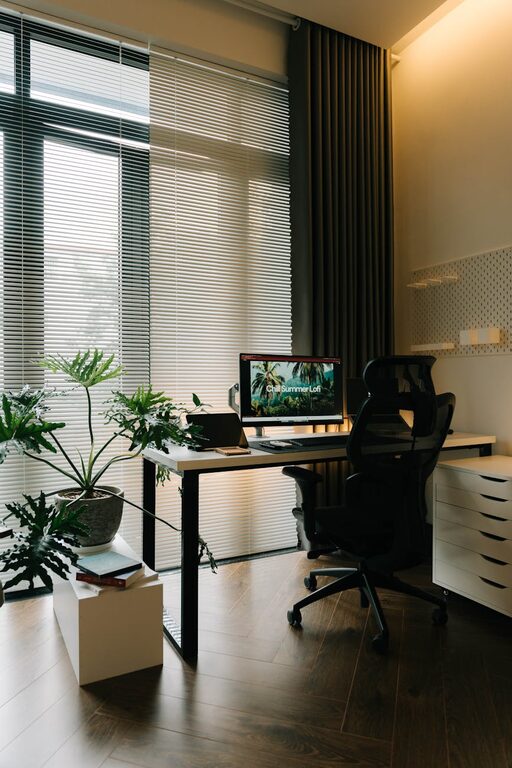
Maximize Natural Light
Natural light boosts mood and alertness. Position your desk near a window to enjoy daylight while minimizing glare on your computer screen. If natural light is limited, invest in soft, warm LED lighting to create a pleasant atmosphere.
Setting Up Your Workspace for Comfort
Invest in a Good Chair
Your chair should support your back and encourage good posture. Sitting in an uncomfortable chair can cause back pain and reduce concentration. Adjustable ergonomic chairs are ideal since they allow you to customize the fit.
Use an Adjustable Desk
If possible, use a desk that can change height so you can alternate between sitting and standing throughout the day. This promotes better circulation and reduces strain on your muscles.
Maintain Proper Screen Position
Place your computer monitor at eye level, about an arm’s length away, to avoid neck and eye strain. A monitor stand or stack of books can help elevate your screen if needed.
Organizing Your Space for Clarity
Declutter Regularly
Keep your desk clear of unnecessary items to maintain focus. Use drawers, shelves, or organizers for office supplies and paperwork. A tidy workspace reduces stress and saves time searching for materials.
Use Cable Management
Tidy cables using clips, ties, or sleeves. This keeps your desk neat and prevents accidental disconnections or damage.
Add Storage Solutions
Incorporate shelves, filing cabinets, or storage boxes near your workspace to keep essential items within reach but out of sight.
Adding Elements to Enhance Relaxation
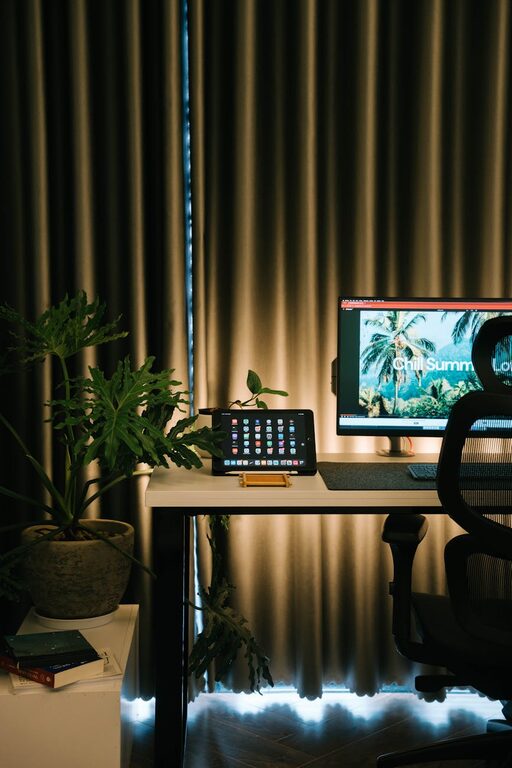
Incorporate Plants
Indoor plants improve air quality and bring a touch of nature indoors. Studies have shown that plants can reduce stress and boost productivity.
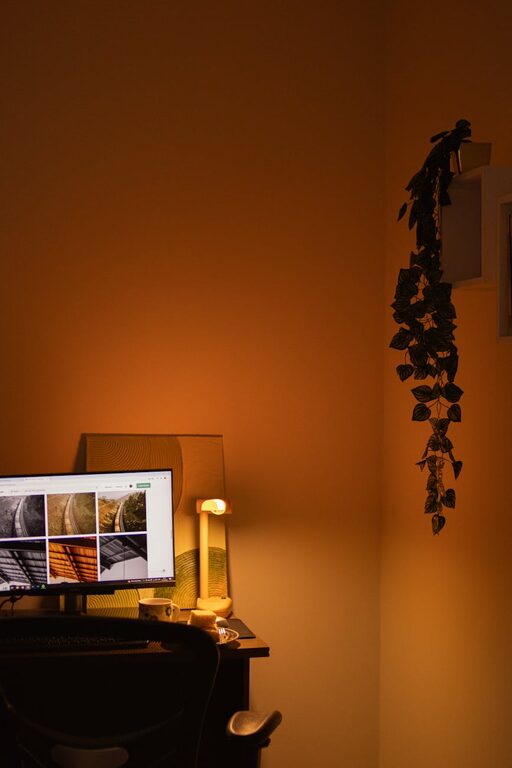
Choose Calming Colors
Soft, neutral colors such as light blues, greens, or earth tones create a soothing environment. Avoid overly bright or distracting hues that may disrupt focus.
Use Personal Touches Wisely
Add a few meaningful items like photos, artwork, or inspirational quotes to personalize your space without cluttering it.
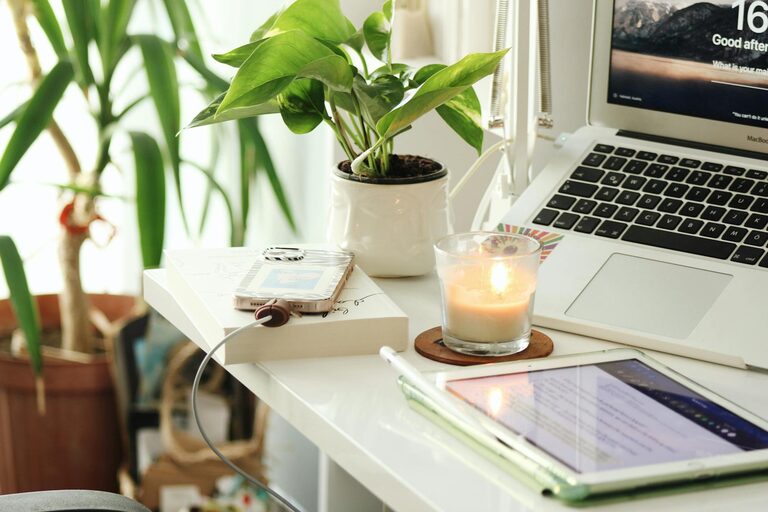
Consider Aromatherapy
Mild scents like lavender or eucalyptus can promote relaxation. Use essential oil diffusers or scented candles safely to enhance your workspace ambiance.
Establishing Healthy Work Habits
Set a Routine
Having consistent work hours helps your brain switch into “work mode” and maintain a healthy work-life balance.
Take Regular Breaks
Schedule short breaks to stretch, move, or breathe deeply. This refreshes your mind and reduces physical tension.
Limit Distractions
Use noise-canceling headphones or white noise machines if your environment is noisy. Turn off non-essential notifications to stay focused.
Final Thoughts
Creating a relaxing home workspace is about balancing comfort, functionality, and personalization. By thoughtfully arranging your environment, you can turn your home office into a place where you feel calm, focused, and motivated to do your best work. Start small with a few changes, and notice how your productivity and overall well-being improve over time.