Creating a relaxing home workspace is essential in today’s remote work culture. When your workspace feels calming, you can focus better, reduce stress, and boost your overall productivity. Whether you have a dedicated room or a small corner in your home, this guide will help you design a space where you enjoy working.
Why a Relaxing Workspace Matters
The environment you work in influences your mood and efficiency. A cluttered, noisy, or uncomfortable workspace can lead to distractions, headaches, and burnout. On the other hand, a well-thought-out, relaxing workspace encourages creativity and comfort, making your tasks feel less like a chore and more enjoyable.
Choose the Right Location
Prioritize Natural Light
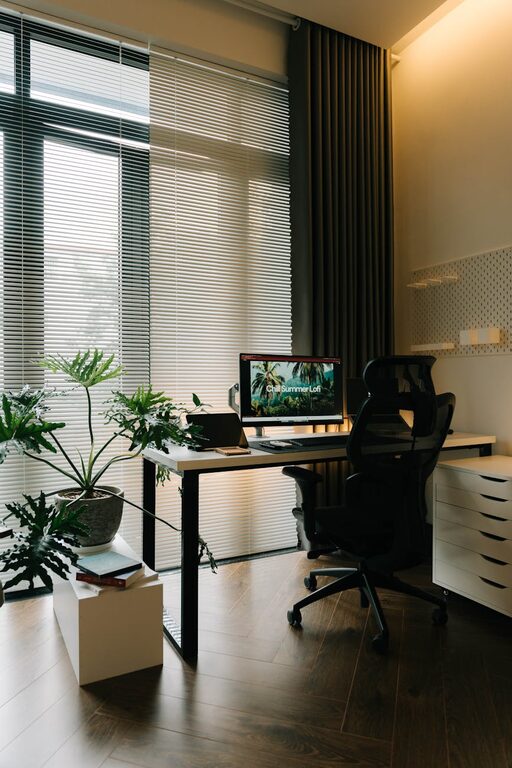
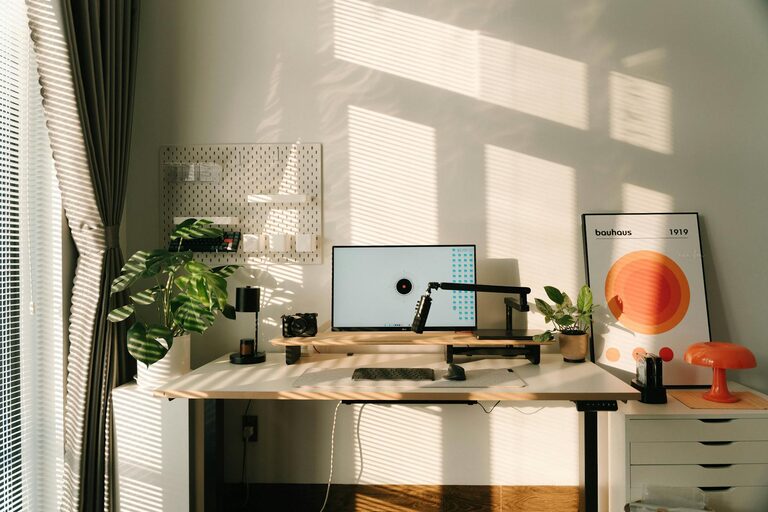
Natural light has a positive effect on your mood and energy levels. If possible, set up your workspace near a window. Position your desk so that you avoid glare on your computer screen but still benefit from daylight.
Find a Quiet Area
Noise can disrupt concentration. Select a spot in your home that’s away from household traffic and loud appliances. Using noise-cancelling headphones or white noise machines can also help if you cannot avoid some background noise.
Declutter and Organize
Keep Only Essentials on Your Desk
A clean desk helps clear your mind. Remove unnecessary items and keep only what you use daily, such as your computer, notebook, and a few writing tools.
Use Storage Solutions
Consider shelves, drawers, or desk organizers to keep papers, cables, and other supplies out of sight but within easy reach. Labeling storage boxes can make it easier to find things quickly.
Comfortable Furniture Matters
Invest in a Good Chair
Ergonomics play a big role in comfort and health. Choose a chair that supports your back and encourages good posture. Adjustable features like seat height and armrests are a plus.
Select the Right Desk Height
Your desk should allow your arms to rest comfortably while typing, keeping your wrists straight. If you prefer standing sometimes, consider a desk with adjustable height.
Add Calming Elements
Use Soothing Colors
Colors affect mood. Soft blues, greens, or neutrals create a calming atmosphere. Avoid overly bright or dark colors that might cause eye strain or discomfort.
Incorporate Plants
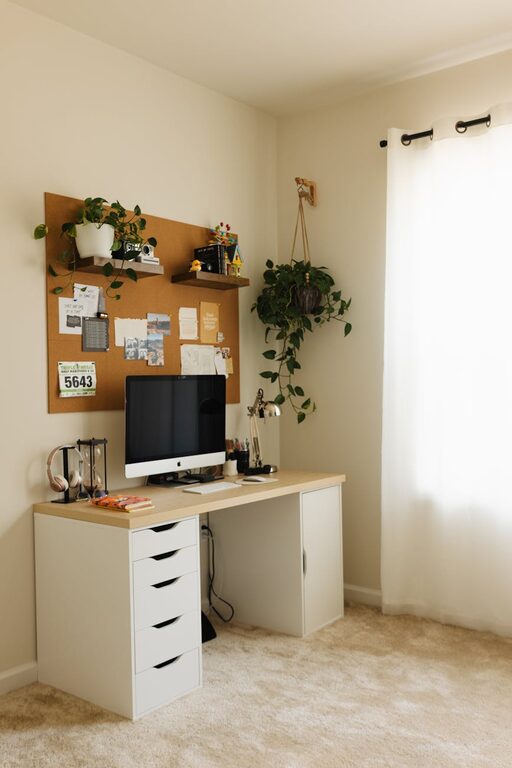
Indoor plants improve air quality and add a touch of nature, which helps reduce stress. Options like succulents, peace lilies, or spider plants are easy to care for and work well indoors.
Personalize Your Space
Adding personal touches such as a favorite photo, artwork, or decorative items can make your workspace feel more inviting. Just be careful not to overcrowd your area.
Optimize Lighting
Combine Ambient and Task Lighting
Good lighting reduces eye strain. Use a combination of ambient light (ceiling lamps or natural light) and task lighting (desk lamps) focused on your work area.
Choose Warm Light Bulbs
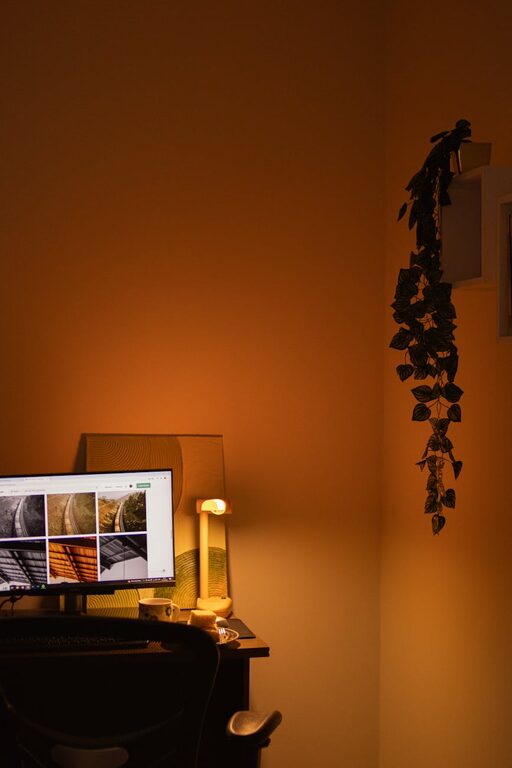
Warm white bulbs (around 2700K to 3000K) create a cozy atmosphere, while cool white might be better for alertness during focused tasks. You can adjust based on your preferences.
Keep Technology in Check
Manage Cables
Messy cables contribute to clutter. Cable organizers or clips keep cords neat and prevent tangling.
Minimize Distractions
Turn off non-essential notifications and keep only the apps or tabs you need open. Consider using website blockers during deep work sessions.
Take Regular Breaks
Set Reminders
Using timers or apps to remind yourself to take short breaks can prevent burnout. Stand, stretch, or take a brief walk to refresh your body and mind.
Create a Break Area
If space allows, have a separate spot in your home for breaks. Changing your environment briefly helps reset focus.
Maintain Air Quality and Temperature
Ventilate Your Workspace
Fresh air improves concentration. Open windows occasionally or use an air purifier if needed.
Adjust Temperature for Comfort
Make sure the room temperature suits you. The ideal range is usually around 68–72°F (20–22°C). Use fans, heaters, or air conditioning as necessary.
—
By thoughtfully designing your home workspace with comfort and relaxation in mind, you’ll create an environment that supports your best work and well-being. Remember, even small changes can make a big difference in how you feel throughout your workday.